A living container is not a shipping container
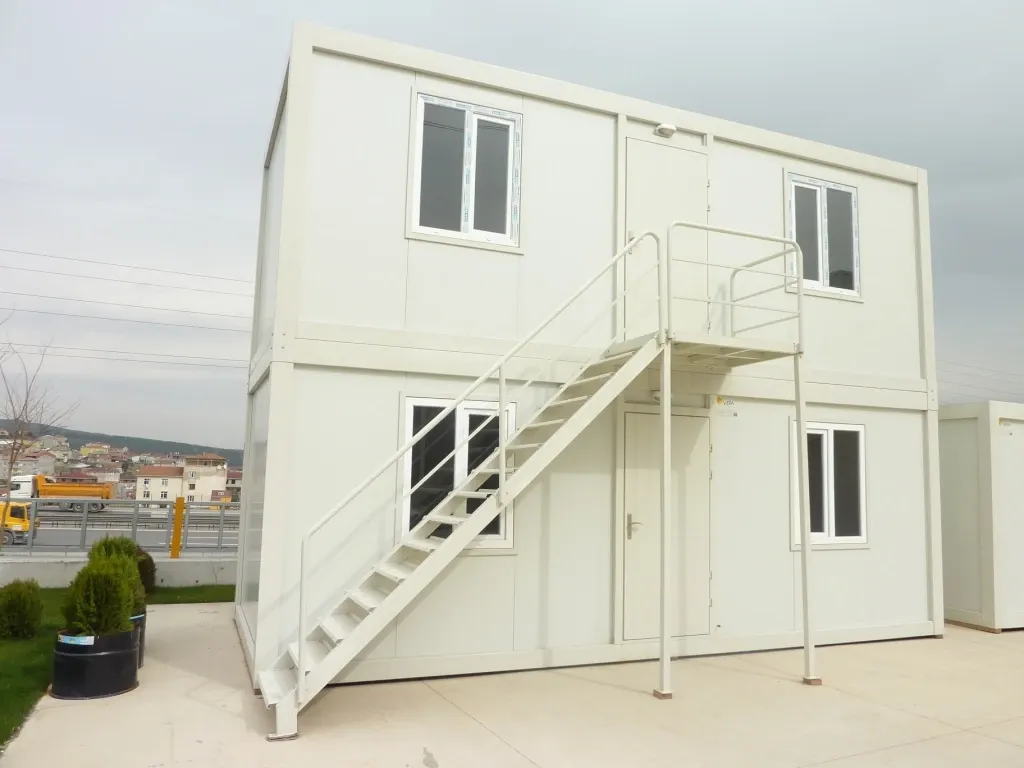
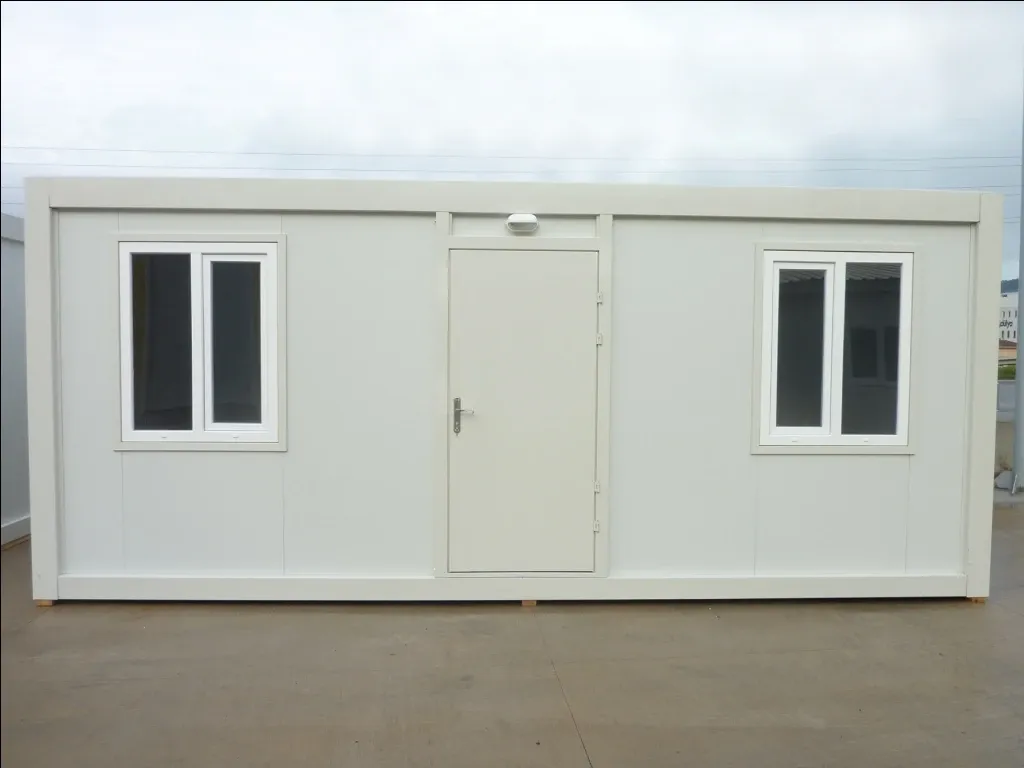
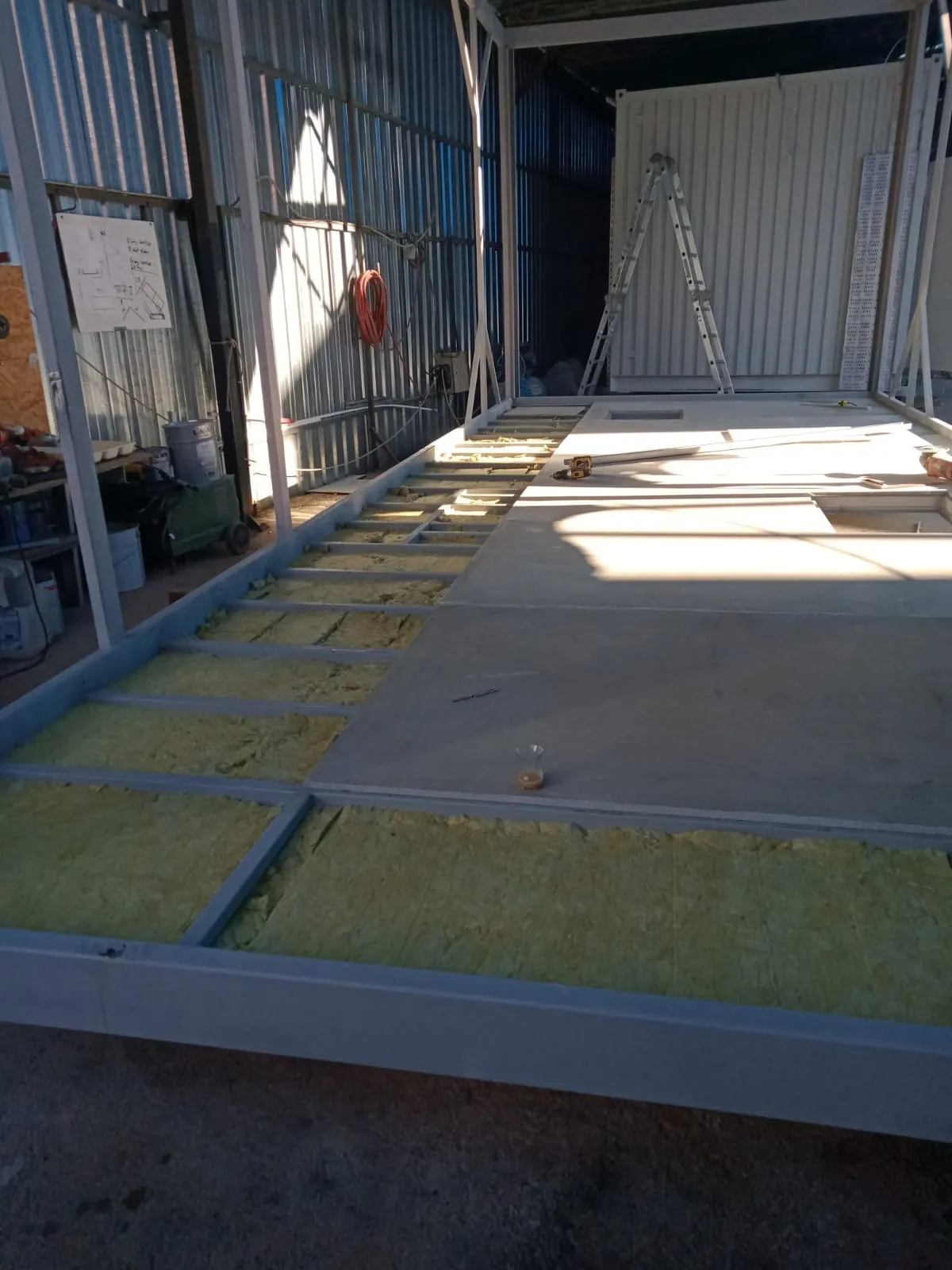
Shipping containers are built to carry cargo. Living containers are built to be occupied: sandwich panels with insulation, a steel chassis, sanitary pipework and electrical wiring. Confusing the two leads to bad expectations on both price and comfort.
Insulation is the point
Without insulation the inside of a metal box is unbearable in the sun. The panels carry rigid insulation in the wall and the roof, which is what makes the unit usable as an office, a dormitory, a bathroom block or a dining hall.
Relocation
Once installed, a unit can be lifted and moved to the next site. That single property is why containers dominate temporary accommodation on construction and mining projects, even where a panel building would give more space per dollar.
Flatpack and freight
Two assembled 2.4 × 6 m units fill a long truck, which is fine domestically. For export the maths change: up to ten bare flatpack units fit inside one 40 ft high-cube container, so the freight cost per unit falls dramatically. Roofing, sanitary ware and furniture take part of that space, so the final count is worked out for each order. For West and East Africa and the Caribbean this is usually the deciding factor.